Pappedeckel: The Ultimate Guide to Its Meaning, Uses, History, and Everyday Importance

Introduction
The word Pappedeckel may seem unfamiliar to many people outside German-speaking countries, but it refers to something surprisingly common and useful in everyday life. Derived from the German word Pappendeckel or Pappdeckel, the term generally refers to a piece of cardboard, paperboard, or a cardboard-based cover, lid, or coaster. In many situations, a Pappedeckel is associated with beverage coasters, packaging materials, protective covers, and other practical cardboard products.
Although it appears simple, the Pappedeckel plays an important role in homes, restaurants, offices, schools, and industries worldwide. From protecting furniture from drink stains to supporting sustainable packaging solutions, this humble cardboard item has become a valuable part of modern life. This guide explores the meaning, history, uses, benefits, and significance of the Pappedeckel while highlighting why it remains relevant in today’s environmentally conscious world.
What Does Pappedeckel Mean?
The term Pappedeckel comes from German and is closely related to the words Pappe (cardboard) and Deckel (lid or cover). In standard usage, it refers to cardboard, paperboard, or a piece of stiff paper material. Depending on the context, it can describe a cardboard lid, a protective cardboard cover, or even a beverage coaster made from thick paperboard.
In everyday German-speaking environments, the word may also be used informally for cardboard pieces used in packaging, crafts, storage, or food service applications. The versatility of the term reflects the many practical ways cardboard products are used in daily life.
The Historical Background of Pappedeckel
Cardboard products have been used for centuries, but the modern Pappedeckel became especially popular during the industrial era when paperboard manufacturing became more affordable and efficient. As cardboard production expanded, businesses began using cardboard covers, inserts, and coasters because they were inexpensive, lightweight, and easy to produce.
Germany played a major role in the popularization of cardboard drink coasters. By the late nineteenth century, cardboard beer coasters became common in pubs and breweries, helping protect tables and drinks while also serving as advertising tools. This practical innovation contributed significantly to the widespread recognition of the Pappedeckel in German culture.
Pappedeckel and German Beer Culture
One of the most recognizable forms of a Pappedeckel is the beer coaster. In Germany, beer coasters are commonly placed beneath glasses to absorb condensation and protect wooden tables from moisture damage. These coasters are often made from thick, absorbent cardboard and are known for their durability.
Beyond their practical purpose, beer coasters have become a cultural symbol. Breweries frequently print logos, promotional messages, and artwork on them. In many traditional German establishments, waiters even use coasters to keep track of customer orders and drink counts. This unique practice highlights how a simple Pappedeckel can become part of a broader cultural tradition.
Common Uses of Pappedeckel
The versatility of cardboard makes the Pappedeckel useful in many different settings. While beverage coasters are among the most familiar examples, there are numerous additional applications.
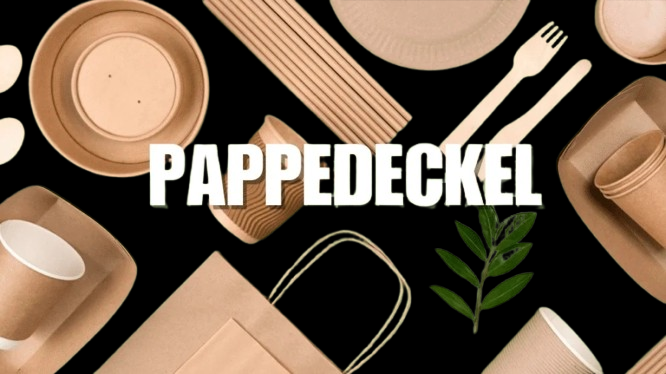
In food service, cardboard lids, separators, and bases help support cakes, pizzas, pastries, and takeaway products. In packaging, cardboard inserts provide protection for delicate items during transportation. Educational institutions also use cardboard sheets for projects, presentations, and creative activities.
Many businesses rely on cardboard materials because they combine affordability with functionality. Whether used as packaging support or as a protective barrier, the Pappedeckel remains a practical and cost-effective solution.
The Role of Pappedeckel in Packaging
Modern packaging industries depend heavily on cardboard-based products. A Pappedeckel can serve as a protective insert, divider, support board, or container cover. These components help prevent product damage during storage and shipping.
The growth of e-commerce has increased demand for sustainable packaging materials. Cardboard inserts are now widely used to stabilize products inside shipping boxes, reducing movement and minimizing breakage. Because cardboard is lightweight, it also helps reduce transportation costs while maintaining adequate protection.
As businesses seek environmentally responsible packaging alternatives, cardboard solutions continue to gain popularity.
Environmental Benefits of Pappedeckel
One of the strongest advantages of the Pappedeckel is its environmental friendliness. Most cardboard products are made from renewable paper-based materials and can often be recycled after use. Compared with many plastic alternatives, cardboard generally has a lower environmental impact.
Because cardboard decomposes naturally under suitable conditions, it contributes less long-term waste to landfills. Many manufacturers now use recycled paper fibers to produce cardboard products, further supporting sustainability goals. As consumers and businesses become increasingly aware of environmental issues, demand for recyclable and biodegradable materials continues to rise.
How Pappedeckel Supports Sustainability
Sustainability has become a major focus across industries, and cardboard products fit well within circular economy principles. A Pappedeckel can often be reused, recycled, or composted depending on its composition and condition.
Businesses are replacing plastic packaging components with cardboard alternatives to reduce waste and improve environmental performance. Consumers also appreciate products that align with eco-friendly values. This shift has helped position cardboard-based solutions as important contributors to sustainable business practices.
As environmental regulations and consumer expectations evolve, the role of cardboard products is likely to become even more significant.
Creative and Educational Uses
Beyond commercial applications, the Pappedeckel is widely used in creative projects. Artists, students, hobbyists, and teachers often use cardboard sheets for model building, crafts, displays, and educational activities.
Cardboard is easy to cut, paint, shape, and decorate. This flexibility makes it an ideal material for school projects, architectural models, signs, and artistic experiments. Because it is affordable and readily available, it remains one of the most popular materials for creative work.
The educational value of cardboard projects also helps develop creativity, problem-solving skills, and hands-on learning experiences.
Manufacturing Process of Pappedeckel
The production of cardboard products involves several stages. First, paper fibers are processed into pulp. The pulp is then formed into sheets, pressed, and dried to create sturdy paperboard materials. Depending on the intended use, manufacturers may add coatings, printing, or special treatments.
Modern manufacturing technologies allow companies to produce large quantities of cardboard products efficiently while maintaining consistent quality. Automation has improved production speed and reduced waste, making cardboard solutions more economical than ever before.
Challenges and Limitations
Despite its many benefits, the Pappedeckel is not perfect. Cardboard can lose strength when exposed to excessive moisture, and some applications require additional protective coatings to improve durability.
In certain industries, plastic or metal alternatives may still be preferred for situations requiring extreme water resistance or long-term durability. However, ongoing innovations in cardboard technology continue to address these limitations through improved materials and protective treatments.
These advancements are helping cardboard compete more effectively across a wider range of applications.
The Future of Pappedeckel
The future of the Pappedeckel appears promising as sustainability becomes increasingly important worldwide. Businesses are investing in eco-friendly packaging solutions, and consumers are actively seeking products that reduce environmental impact.
Innovations in recyclable materials, biodegradable coatings, and sustainable manufacturing methods are expected to expand the capabilities of cardboard products even further. As a result, the Pappedeckel is likely to remain a valuable component of modern packaging, hospitality, retail, and creative industries.
Its combination of practicality, affordability, and environmental responsibility ensures that it will continue serving important functions in everyday life.
Conclusion
The Pappedeckel may appear to be a simple piece of cardboard, but its importance extends far beyond its modest appearance. Whether used as a beverage coaster, packaging insert, protective cover, educational tool, or creative material, it provides practical value in countless situations.
Its roots in German culture, especially in beer and hospitality traditions, demonstrate how an everyday object can become culturally significant. At the same time, its role in sustainable packaging highlights its relevance in addressing modern environmental challenges. As industries and consumers continue prioritizing eco-friendly solutions, the Pappedeckel stands as a powerful example of how simple materials can make a meaningful difference in everyday life.